When it comes to building outdoor structures or working in areas exposed to moisture, choosing the right material makes all the difference. Pressure treated plywood has become a dependable option for homeowners, builders, and contractors who need durability and strength in challenging environments. Unlike standard plywood, this material is specially treated to resist decay, insects, and moisture damage. Understanding how it works, where it can be used, and how to maintain it properly can help you make smarter construction decisions and ensure your project stands strong for years.
What Is Pressure Treated Plywood?
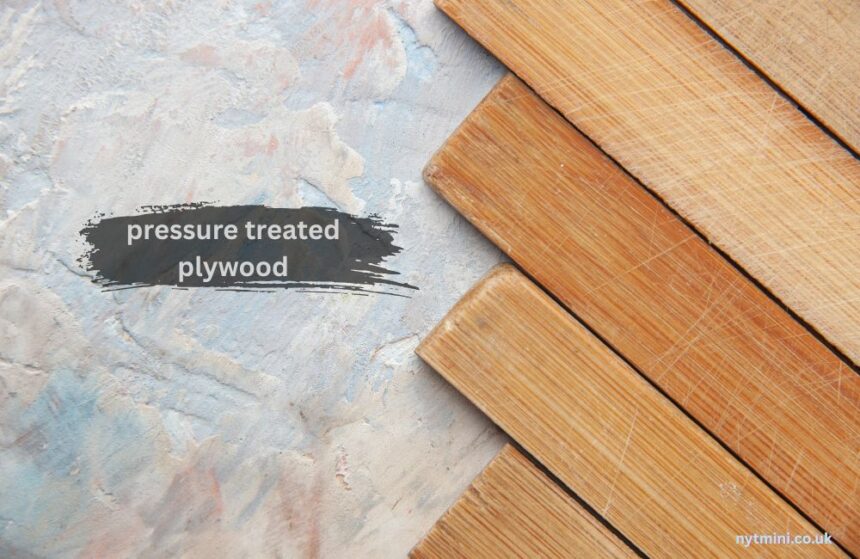
Pressure treated plywood is a specially manufactured wood panel designed to resist moisture, insects, and decay. Unlike regular plywood, it goes through a chemical treatment process where preservatives are forced deep into the wood fibers under high pressure. This makes it much stronger and more durable in outdoor or damp environments. Many people choose plywood pressure treated options when they need long-lasting performance in projects exposed to rain, soil, or humidity. It is commonly used for decks, outdoor structures, sheds, and subfloors where protection from rot is essential.
The Manufacturing and Treatment Process
The treatment process begins after the plywood sheets are formed. They are placed inside a sealed cylinder where air is removed to create a vacuum. Preservative chemicals are then introduced, and pressure is applied to push the solution deep into the wood. Afterward, the panels are dried and prepared for sale. This method ensures consistent protection throughout the sheet, making pressure treated plywood suitable for demanding structural applications.
Common Applications in Construction
Pressure treated plywood is widely used in projects that require exposure to weather or moisture. It is often chosen for decks, fencing panels, subfloors in damp areas, sheds, outdoor storage units, and garden structures. In some cases, it is also used for roofing bases or exterior wall sheathing. Because of its resistance to environmental damage, it helps reduce the need for frequent repairs or replacements.
How 3 4 Pressure Treated Plywood Is Used
One of the most popular thicknesses available is 3 4 pressure treated plywood. This thickness provides excellent strength and stability, making it suitable for flooring systems, deck surfaces, and structural supports. Because it is thicker than many standard panels, it handles weight better and resists bending over time. Contractors often prefer this size for outdoor platforms or areas that require solid load-bearing capacity. Its durability combined with moisture resistance makes it a reliable material for heavy-duty applications.
Is CDX Plywood Pressure Treated?
A common question people ask is, “is cdx plywood pressure treated?” The answer depends on the specific product. CDX refers to the grade and glue type of the plywood, not the treatment itself. Standard CDX plywood is not automatically pressure treated. However, manufacturers can produce pressure treated versions of CDX panels. It is important to check the label or product specifications before purchasing. If the project involves exposure to outdoor conditions, choosing a treated option ensures better protection and longer life.
Is Plywood Pressure Treated by Default?
Another frequent concern is, “is plywood pressure treated?” In general, the answer is no. Most plywood sold for indoor construction is untreated unless clearly labeled otherwise. Pressure treatment is an additional process applied for specific purposes, particularly outdoor or high-moisture uses. Always verify whether the plywood you are buying has been treated, especially if it will come into contact with water, soil, or weather changes. Using untreated plywood outdoors can lead to early damage and costly repairs.
Can You Paint Pressure Treated Plywood?
Many homeowners wonder, “can you paint pressure treated plywood?” Yes, you can paint it, but timing is important. Freshly treated wood often contains moisture from the treatment process, so it needs time to dry before painting. If paint is applied too soon, it may not adhere properly. Once the wood has dried thoroughly, applying a high-quality exterior primer and paint can enhance its appearance and provide additional protection. Proper preparation, including cleaning and light sanding, helps ensure a smooth and lasting finish.
Advantages of Choosing Pressure Treated Plywood
One of the main benefits of pressure treated plywood is its resistance to moisture-related damage. It helps prevent warping, swelling, and decay, which are common issues in untreated wood. It also reduces insect infestations and increases structural reliability. Over time, this durability translates into cost savings because maintenance and replacement needs are minimized. For outdoor construction, it remains one of the most dependable materials available.
Maintenance and Care Tips
Taking proper care of pressure treated plywood helps maintain its strength and appearance over time. Even though it is designed to resist moisture and decay, regular inspection and simple upkeep can extend its lifespan significantly. Allow the wood to dry properly before applying any finishes, and make sure it is installed in a way that prevents standing water. With consistent attention, it can remain durable and reliable for many years.
- Clean the surface regularly to remove dirt, debris, and mold buildup.
- Ensure proper drainage to prevent water from pooling on the wood.
- Apply a suitable exterior sealant or protective coating when needed.
- Inspect edges and joints for cracks or damage and repair them promptly.
- Avoid direct ground contact unless the plywood is rated for it.
Benefits of Choosing Pressure Treated Plywood
Pressure treated plywood is a reliable choice for projects that demand durability and long-term performance. Because it is specially treated to resist moisture, insects, and decay, it performs well in outdoor and high-humidity environments. This added protection helps maintain structural strength over time and reduces the chances of costly repairs. For both residential and commercial construction, it offers peace of mind along with dependable support.
- Strong resistance to rot and insect damage
- Suitable for outdoor and moisture-prone areas
- Longer lifespan compared to untreated plywood
- Reduced maintenance and repair costs
- Reliable structural strength for heavy-duty applications
Conclusion
Pressure treated plywood is a strong and reliable material designed for environments where regular plywood might fail. Whether you are considering 3 4 pressure treated plywood for structural support or wondering is cdx plywood pressure treated before making a purchase, understanding the differences helps you choose wisely. Knowing whether is plywood pressure treated by default and learning can you paint pressure treated plywood properly ensures better results for your project. With the right selection and preparation, this material can deliver lasting performance and dependable protection for years to come.