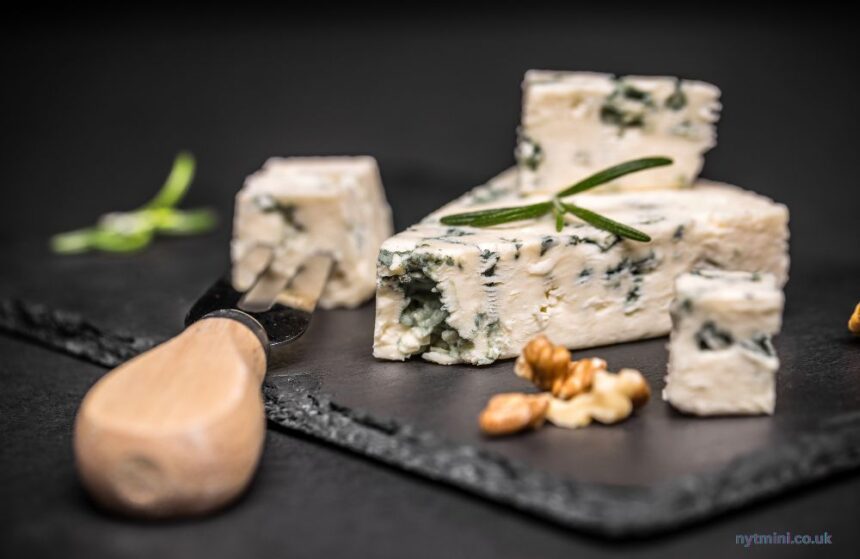
Masgonzola is often described as a distinctive type of cheese that brings together rich flavor and a creamy texture. Many cheese lovers appreciate it for its balanced taste, which feels both bold and smooth at the same time. The term masgonzola is sometimes used when discussing cheeses that resemble the characteristics of masgonzola cheese, known for its soft body and complex aroma. Its growing popularity among food enthusiasts has made it an interesting topic for anyone curious about specialty cheeses.
The Origin and Background of Masgonzola
The story behind masgonzola is connected to the long tradition of cheese making that focuses on developing strong flavors and soft textures. Many cheeses in this category are inspired by European cheese traditions, where careful aging and fermentation techniques create distinctive aromas and tastes. Masgonzola reflects this tradition by offering a cheese that feels both rich and complex. Although the exact origins of masgonzola may vary depending on how it is produced, the overall style highlights craftsmanship and careful preparation.
The Flavor Profile of Masgonzola Cheese
One of the most appealing qualities of masgonzola cheese is its layered flavor. It carries a gentle tanginess combined with a creamy richness that spreads easily across the palate. The taste can feel slightly sharp at first but gradually turns smooth and buttery. Because of this balanced flavor, masgonzola often stands out among other cheeses and is enjoyed by people who appreciate both mild and strong cheese notes.
Texture and Appearance of Masgonzola
The texture of masgonzola is typically soft and creamy, making it easy to spread or crumble depending on how it is served. It may show subtle marbling or color variations that give it a distinctive visual appeal. These natural patterns are often a sign of the cheese’s unique aging process and contribute to its character. The smooth consistency also makes masgonzola cheese a favorite for dishes where a creamy texture is desired.
How Masgonzola Is Made
Producing masgonzola involves a process that combines milk, cultures, and controlled aging. During production, milk is carefully treated to encourage the growth of beneficial cultures that help develop the cheese’s signature taste. The cheese is then shaped and aged under controlled conditions where moisture, temperature, and time play an important role. This process gradually builds the flavor and texture that people associate with masgonzola cheese. Skilled cheese makers often pay close attention to these stages to maintain quality and consistency.
Culinary Uses of Masgonzola
Masgonzola works wonderfully in a wide range of dishes. Some people enjoy it simply spread over warm bread, where its creamy texture melts slightly and releases its full flavor. Others add it to salads, pasta, or sauces to create a richer taste. Because masgonzola cheese blends easily with many ingredients, it can elevate both simple meals and more refined recipes. Its versatility makes it a popular choice for chefs and home cooks alike.
Pairing Masgonzola with Other Foods
Masgonzola cheese often pairs beautifully with foods that balance its rich flavor. Fresh fruits such as pears, apples, or grapes create a pleasant contrast to its creamy texture. Nuts and honey are also popular companions because they highlight the cheese’s natural depth. In savory dishes, masgonzola works well with roasted vegetables, meats, and warm breads. These combinations allow the cheese to shine while still complementing the overall dish.
Nutritional Aspects of Masgonzola Cheese
Like many dairy products, masgonzola cheese contains nutrients that contribute to a balanced diet when enjoyed in moderation. It provides protein and calcium, which are important for maintaining strong bones and supporting muscle health. Because it is rich and flavorful, even small portions can add depth to meals. However, as with most cheeses, it is often best enjoyed as part of a balanced and varied diet.
The Growing Popularity of Masgonzola
In recent years, masgonzola has become more noticeable among people who enjoy discovering new gourmet foods. As culinary culture continues to evolve, many consumers are interested in cheeses that offer something different from everyday options. Masgonzola cheese fits this trend because it combines traditional cheese-making ideas with a distinctive flavor profile. Its unique character makes it appealing to both casual food lovers and dedicated cheese enthusiasts.
Why Masgonzola Is Becoming Popular
In recent years, masgonzola has gained attention among food enthusiasts who enjoy exploring unique flavors. The combination of creamy texture and bold taste makes it memorable and different from many common cheeses. As people continue to experiment with new culinary experiences, masgonzola cheese is increasingly appearing in gourmet dishes and specialty food markets.
Conclusion
Masgonzola is more than just another cheese; it represents a blend of rich flavor, creamy texture, and culinary versatility. Whether used in cooking or enjoyed on its own, masgonzola cheese offers a distinctive experience that many cheese lovers find appealing. Its growing popularity suggests that this flavorful cheese will continue to capture the interest of people who enjoy exploring new tastes in the world of food.