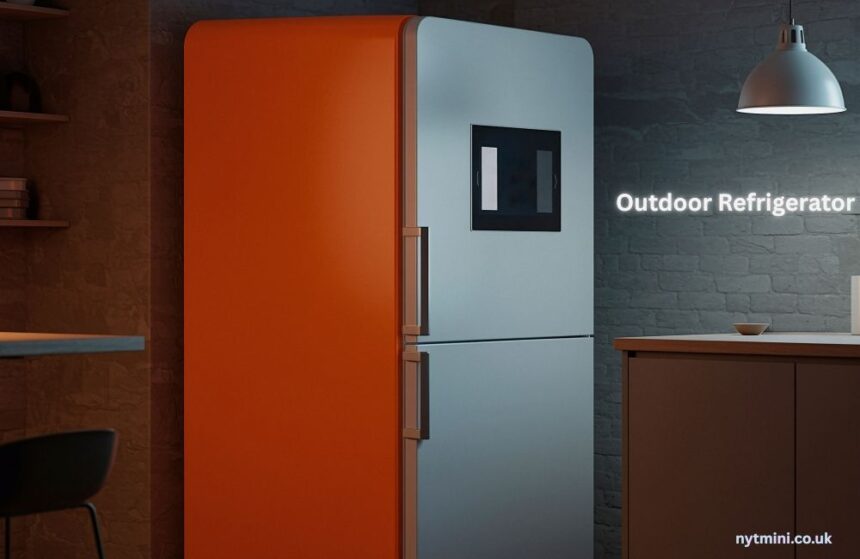
An outdoor refrigerator can completely change the way you enjoy your patio, garden, or backyard kitchen. Whether you love hosting weekend barbecues or simply relaxing outside with a cold drink, having easy access to chilled food and beverages makes everything more convenient. Today, many homeowners are investing in outdoor refrigerators because they add comfort, functionality, and a touch of luxury to outdoor spaces.
What Is an Outdoor Refrigerator?
An outdoor refrigerator is specially designed to operate in open-air environments where temperatures can fluctuate significantly. Unlike standard indoor fridges, outdoor refrigerators are built with stronger insulation, weather-resistant materials, and powerful cooling systems that can handle heat, humidity, and dust.
These units are often installed in outdoor kitchens, poolside bars, patios, and even garage spaces. They come in various sizes, including compact outdoor mini refrigerator models and larger built-in designs that blend seamlessly with cabinets and countertops.
Types of Outdoor Refrigerators
Outdoor refrigerators come in several designs to match different outdoor needs and lifestyles. Some models are built for full food storage, while others focus mainly on keeping beverages perfectly chilled. The choice usually depends on available space, frequency of use, and whether the unit will be part of a complete outdoor kitchen setup. Understanding the different options helps you select a refrigerator that fits both your functional and design preferences.
Types of Outdoor Refrigerators:
- Full-size outdoor refrigerator
- Outdoor beverage refrigerator
- Outdoor mini refrigerator
- Built-in outdoor refrigerator
- Freestanding outdoor refrigerator
Choosing the right type depends on how you plan to use it. If you host large gatherings often, a larger unit may be more practical. For casual family use, a compact version might be enough.
Do You Need a Special Refrigerator for Outdoors?
Many people wonder, do you need a special refrigerator for outdoors? The simple answer is yes. Regular indoor refrigerators are not designed to handle extreme outdoor conditions. When exposed to high heat, rain, or fluctuating temperatures, they can lose efficiency and wear out quickly. Outdoor refrigerators are made with stainless steel exteriors, sealed components, and stronger compressors that can maintain consistent cooling even when the weather changes. Investing in a proper outdoor model helps prevent damage and ensures better performance over time.
How Do I Protect My Outdoor Refrigerator?
A common question homeowners ask is, how do I protect my outdoor refrigerator? While these appliances are built to be durable, taking a few extra precautions can significantly extend their lifespan. First, place the refrigerator in a shaded area whenever possible. Direct sunlight can force the unit to work harder. Installing it under a covered patio or outdoor kitchen structure offers additional protection. Using a high-quality weatherproof cover when the fridge is not in use is also helpful.
Regular cleaning is important as well. Dust, leaves, and debris can block ventilation areas, reducing efficiency. Check the seals and inspect the power connections occasionally to make sure everything remains secure and safe.
Are Outdoor Refrigerators Worth It?
Another common concern is, are outdoor refrigerators worth it? For many homeowners, the answer is absolutely. They add convenience by reducing trips back and forth to the indoor kitchen. This makes entertaining guests smoother and more enjoyable. Beyond convenience, outdoor refrigerators can increase the overall value and appeal of your outdoor living space. They create a functional environment that feels complete, especially when paired with grills, sinks, and seating areas.
Installation and Placement Tips
Proper installation and smart placement play a major role in how efficiently your outdoor refrigerator performs. It should always be positioned on a stable, level surface to prevent vibration and internal damage. Adequate airflow around the unit is essential so the compressor does not overheat, especially during hot weather. Choosing a shaded or covered area can also help maintain consistent cooling and improve energy efficiency.
- Place the refrigerator on a flat, sturdy surface.
- Leave enough space around the unit for ventilation.
- Install it under a covered patio or shaded area when possible.
- Use a dedicated outdoor-rated electrical outlet for safety.
- Follow the manufacturer’s installation guidelines carefully.
Maintenance and Long-Term Care
Maintaining your outdoor refrigerator does not require much effort, but consistency is key. Clean the interior regularly to prevent odors and bacteria buildup. Wipe down the exterior with a soft cloth to protect the finish. During extremely cold seasons, consider unplugging the unit if it is not rated for freezing temperatures. Some homeowners choose to store portable units indoors during winter months for extra protection. Taking small preventive steps ensures that your outdoor refrigerators continue running efficiently year after year.
Conclusion
An outdoor refrigerator is more than just a luxury addition; it is a practical upgrade for anyone who enjoys spending time outside. From compact outdoor mini refrigerator options to larger outdoor beverage refrigerator models, there is a solution for every lifestyle and space. By choosing a unit specifically designed for outdoor use, protecting it properly, and maintaining it regularly, you can enjoy reliable performance in all seasons.