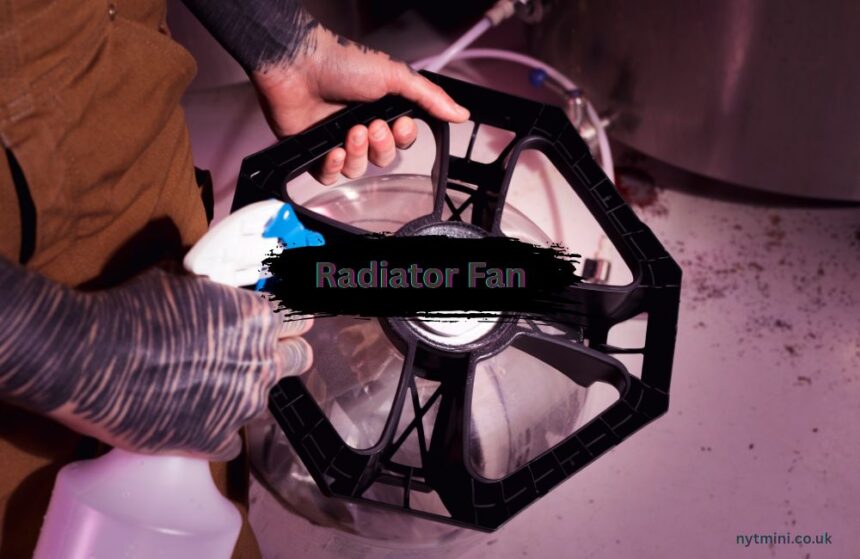
A radiator fan is one of those vehicle components that most drivers rarely think about, yet it plays a vital role in keeping the engine safe and efficient. Every time you start your car, the engine begins generating heat. If that heat is not controlled properly, it can lead to overheating, reduced performance, and even severe engine damage. The radiator fan supports the cooling system by helping remove excess heat from the radiator, especially when the vehicle is stationary or moving slowly. Understanding how a radiator fan works and why it matters can help you take better care of your vehicle and avoid unexpected breakdowns.
- What Is a Radiator Fan and How Does It Work?
- The Importance of a Radiator Fan in Engine Cooling
- How a Radiator Fan Supports Overall Engine Health
- Signs That a Radiator Fan May Need Attention
- Maintaining Your Radiator Fan for Long-Term Reliability
- Types of Radiator Fan Systems
- Signs of a Faulty Radiator Fan
- Importance of the Radiator Fan in Vehicle Performance
- Maintenance and Care Tips
- Conclusion
What Is a Radiator Fan and How Does It Work?
A radiator fan is a mechanical or electric fan located between the engine and the radiator. Its main purpose is to pull or push air through the radiator core. When coolant absorbs heat from the engine, it travels to the radiator where it needs airflow to cool down. While driving at higher speeds, natural air passes through the grille and helps cool the radiator. However, in traffic jams or when the car is idling, there is little to no natural airflow. This is where the radiator fan becomes essential.
The Importance of a Radiator Fan in Engine Cooling
A radiator fan plays a quiet yet essential role in keeping a vehicle’s engine running at a stable temperature. When the engine operates, it naturally produces heat, and without proper cooling, that heat can quickly build up and cause serious damage. The radiator fan helps regulate this temperature by pulling air through the radiator, allowing heat to escape efficiently. Especially during slow traffic or when the vehicle is idling, the radiator fan ensures that air continues to circulate even when there is little natural airflow.
How a Radiator Fan Supports Overall Engine Health
The radiator fan works closely with the cooling system to maintain balance inside the engine. When the temperature rises beyond a certain point, the fan switches on automatically to prevent overheating. This simple but effective mechanism protects vital engine components from stress and wear. A properly functioning radiator fan not only improves engine longevity but also enhances overall vehicle performance by ensuring that the engine runs within its ideal temperature range.
Signs That a Radiator Fan May Need Attention
Over time, like any mechanical part, a radiator fan can experience wear or electrical issues. Drivers might notice the engine temperature climbing higher than usual, especially in traffic, or hear unusual noises coming from the engine bay. In some cases, the air conditioning performance may also be affected, as the radiator fan often supports the cooling of the condenser. Paying attention to these early signs can help prevent more serious and costly repairs.
Maintaining Your Radiator Fan for Long-Term Reliability
Routine vehicle maintenance plays a key role in keeping the radiator fan working smoothly. Checking the cooling system, monitoring coolant levels, and ensuring electrical connections remain secure can make a significant difference. If any irregularities appear, addressing them promptly can extend the life of the radiator fan and protect the engine from overheating. With proper care, this small but powerful component continues to safeguard the engine, allowing drivers to enjoy a smoother and more reliable driving experience.
Types of Radiator Fan Systems
Radiator fan systems are designed in different ways depending on the vehicle’s engine size, performance needs, and technology level. While their main purpose remains the same—cooling the engine—they operate through different mechanisms. Some systems rely on engine power, while others function electronically for better efficiency and control. Understanding these variations helps in choosing the right replacement or diagnosing cooling issues more effectively.
Main Types of Radiator Fan Systems:
- Mechanical Radiator Fan: Driven by the engine through a belt and usually connected to a fan clutch that controls speed.
- Electric Radiator Fan: Operates using an electric motor and activates automatically based on temperature sensors.
- Dual Electric Fan System: Uses two fans for improved airflow and enhanced cooling performance, commonly found in larger or high-performance vehicles.
Signs of a Faulty Radiator Fan
A malfunctioning radiator fan can quickly lead to engine overheating. One of the most common signs is a rising temperature gauge, particularly when the vehicle is stopped in traffic. You may also notice steam coming from under the hood if the engine becomes too hot. In some cases, the air conditioning system may stop cooling effectively because the radiator fan also helps cool the AC condenser.
Unusual noises from the engine area can also indicate a damaged fan blade or motor issue. If the radiator fan fails completely, the engine temperature may increase rapidly, which can cause serious internal damage if not addressed immediately. Recognizing these symptoms early can save you from expensive repairs.
Importance of the Radiator Fan in Vehicle Performance
The radiator fan does more than just prevent overheating. By maintaining a stable temperature, it helps the engine operate efficiently and deliver consistent performance. Engines are designed to run within a specific temperature range. If the engine runs too hot, components can warp or crack. If it runs too cool, fuel efficiency and performance may suffer.
A properly functioning radiator fan also supports fuel economy and reduces emissions. When the engine temperature remains stable, combustion is more efficient, which helps improve mileage and lowers harmful exhaust gases. In short, the radiator fan contributes to both engine health and environmental performance.
Maintenance and Care Tips
Taking proper care of your radiator fan helps ensure your engine stays cool and performs efficiently. Regular inspection of the cooling system can prevent unexpected overheating issues. It is always better to address small problems early before they turn into costly repairs. Simple routine checks can significantly extend the life of both the radiator fan and the engine.
- Check coolant levels regularly and refill when necessary.
- Inspect wiring and electrical connections for damage or looseness.
- Keep the radiator and surrounding area clean from dust and debris.
- Listen for unusual noises coming from the fan motor.
- Replace faulty temperature sensors or blown fuses promptly.
Conclusion
The radiator fan may seem like a small component, but its role in engine cooling is extremely important. It ensures that the engine remains within a safe temperature range, especially during slow driving conditions or heavy traffic. By understanding how the radiator fan works, recognizing early warning signs of failure, and performing regular maintenance, you can protect your vehicle from costly damage. A well-maintained radiator fan not only supports engine performance but also contributes to a smoother, safer, and more reliable driving experience.