When people talk about car features that add comfort and style, the term sunroof moonroof often comes up. Many drivers use these words interchangeably, yet there are subtle differences between them that are worth understanding. Both options bring more light, air, and openness into a vehicle, making everyday drives feel more refreshing. Choosing between a sunroof moonroof depends on personal preference, vehicle type, and how much outdoor connection you want while driving.
- What Is a Sunroof Moonroof?
- Different Types of Sunroof Moonroof Systems
- The Main Differences Between Sunroof and Moonroof
- Advantages of Having a Sunroof Moonroof
- Maintenance and Care Considerations
- Safety and Structural Aspects
- Is a Sunroof Moonroof Right for You?
- Things to Consider Before Choosing One
- Conclusion
What Is a Sunroof Moonroof?
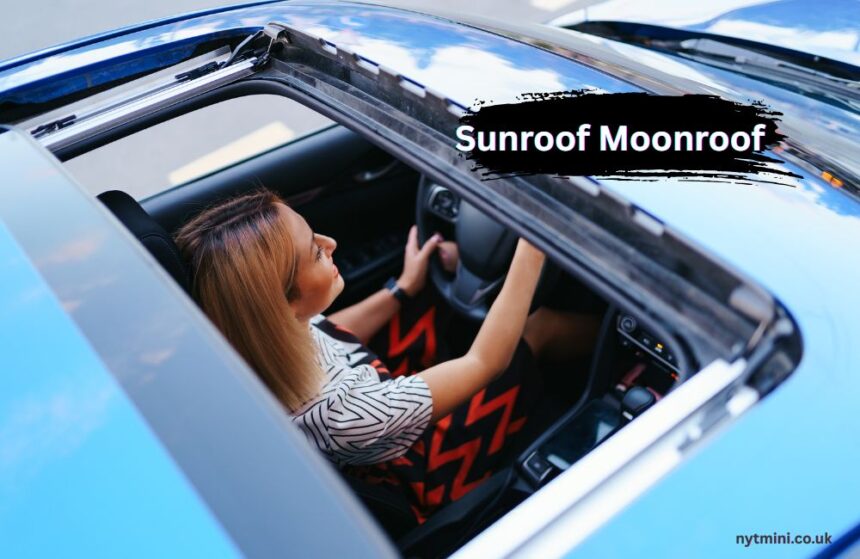
The phrase sunroof moonroof refers to roof panels installed in cars that can either slide open, tilt, or be removed to allow light and fresh air into the cabin. Traditionally, a sunroof was an opaque panel, often made of metal, that could be tilted or completely removed. A moonroof, on the other hand, is usually made of tinted glass and can slide or tilt open while still allowing light to pass through even when closed. Although manufacturers today mostly use the term moonroof, both options serve a similar purpose: enhancing the overall driving atmosphere.
Different Types of Sunroof Moonroof Systems
The sunroof moonroof comes in several designs, each offering a unique balance of light, ventilation, and style. Car manufacturers create different systems to match various vehicle sizes and driver preferences. Some options focus on simple airflow, while others are designed to provide a wide, panoramic view of the sky. Understanding these variations can help you choose the type that best fits your comfort and driving needs.
Different types of sunroof moonroof systems:
- Pop-up Sunroof:A basic design that tilts open for ventilation but does not slide back.
- Sliding Sunroof: Moves backward either inside or outside the roof to create a larger opening.
- Panoramic Moonroof: Covers a large portion of the roof, often extending to rear passengers.
- Spoiler Sunroof: Tilts and slides back on top of the roof instead of retracting inside.
- Removable Sunroof: Can be completely detached and stored separately when open.
The Main Differences Between Sunroof and Moonroof
The key distinction between a sunroof moonroof lies mainly in the material and design. A classic sunroof blocks light when closed because it matches the vehicle’s body color. A moonroof typically features a glass panel with a sliding interior shade that lets you control brightness. In modern vehicles, most roof openings are technically moonroofs, even if people casually refer to them as sunroofs. Understanding this small difference helps buyers make informed decisions when selecting a car with roof-opening features.
Advantages of Having a Sunroof Moonroof
A sunroof moonroof can completely change the atmosphere inside a vehicle by bringing in natural light and fresh air. It creates a more open and airy feeling, which makes daily drives and long trips more enjoyable. Many drivers appreciate the stylish look it adds to their car, while passengers enjoy the brighter and more pleasant cabin environment. Beyond comfort, it can also enhance the overall value and appeal of the vehicle.
Key Benefits:
- Allows natural sunlight to brighten the interior
- Improves air circulation without fully opening windows
- Enhances the vehicle’s modern and premium appearance
- Creates a more spacious and open cabin feel
- Can increase resale value and buyer interest
Maintenance and Care Considerations
While a sunroof moonroof offers many benefits, proper care is essential to maintain its performance. Regular cleaning of the glass and surrounding seals helps prevent dirt buildup. Checking drainage channels ensures that rainwater flows correctly and does not leak into the cabin. It is also wise to operate the mechanism occasionally, even during colder months, to keep the system functioning smoothly. Proper maintenance can extend the lifespan of the feature and avoid costly repairs.
Safety and Structural Aspects
Modern sunroof moonroof systems are designed with strong materials to ensure durability and safety. The glass used in moonroofs is typically tempered or laminated to withstand impact. However, adding a roof opening slightly changes the vehicle’s structure, so manufacturers reinforce the surrounding frame to maintain strength. Understanding these design elements can give drivers confidence in the safety of this feature.
Is a Sunroof Moonroof Right for You?
Choosing whether to have a sunroof moonroof depends on lifestyle and personal preference. If you enjoy natural light, fresh air, and a stylish touch, this feature may be a perfect addition. However, in extremely hot climates, you may need to rely on sunshades to control heat. Considering how often you will use it and how it fits your driving habits can help you make a practical decision.
Things to Consider Before Choosing One
Before deciding on a sunroof moonroof, it is important to think about maintenance and climate conditions. Glass panels require regular cleaning, and seals should be checked to prevent leaks. In extremely hot regions, direct sunlight may warm the cabin quickly, so using the interior shade becomes essential. Additionally, the mechanism must be maintained properly to ensure smooth operation over time. Considering these factors helps drivers enjoy the feature without unexpected issues.
Conclusion
A sunroof moonroof adds both charm and functionality to modern vehicles. While the technical difference between the two lies mainly in design and material, both serve the same purpose of bringing light and fresh air into the car. Understanding how each option works allows drivers to choose what best suits their lifestyle and environment. In the end, whether you call it a sunroof or moonroof, this feature can make every journey feel a little more open and enjoyable.